

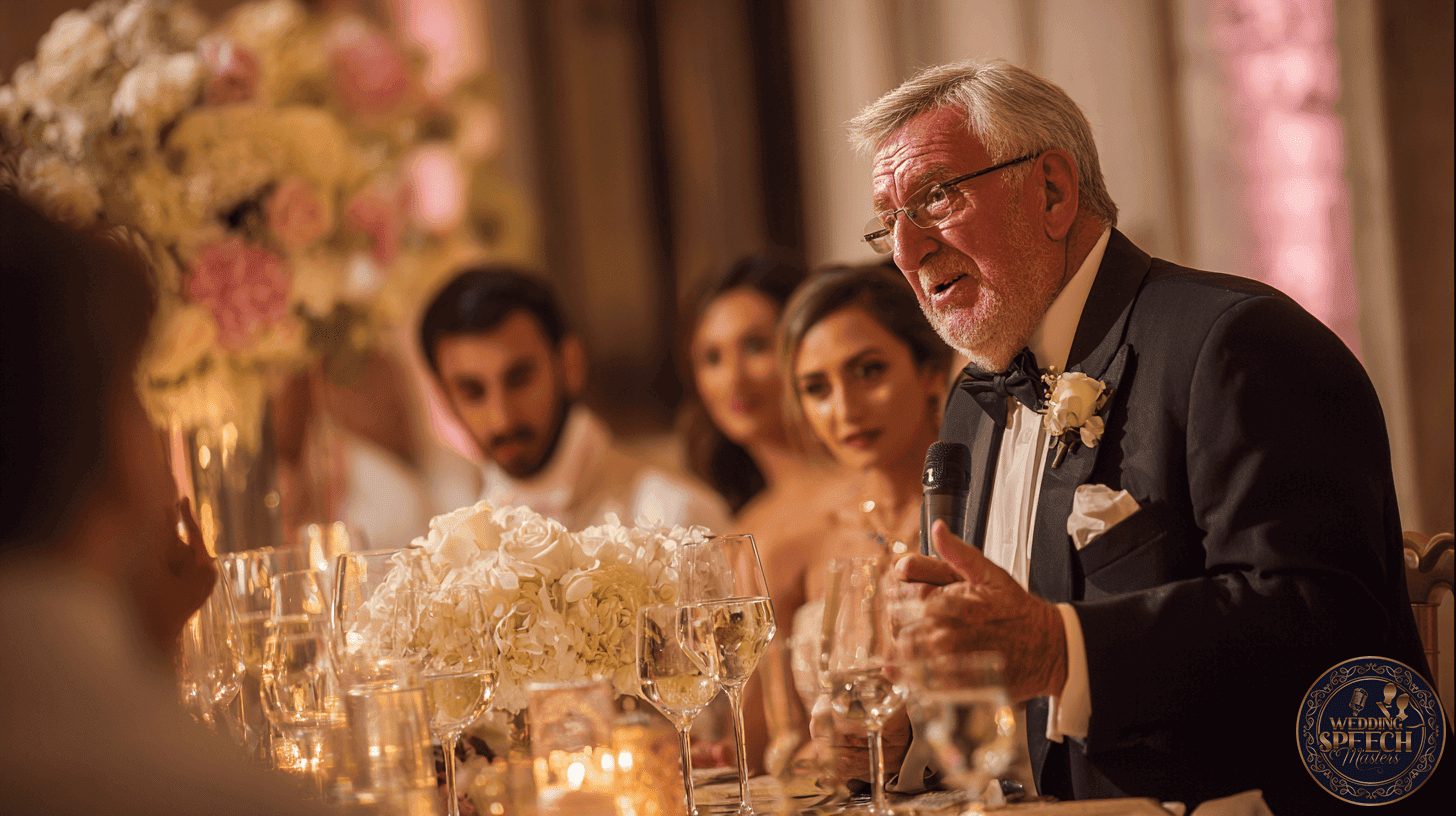

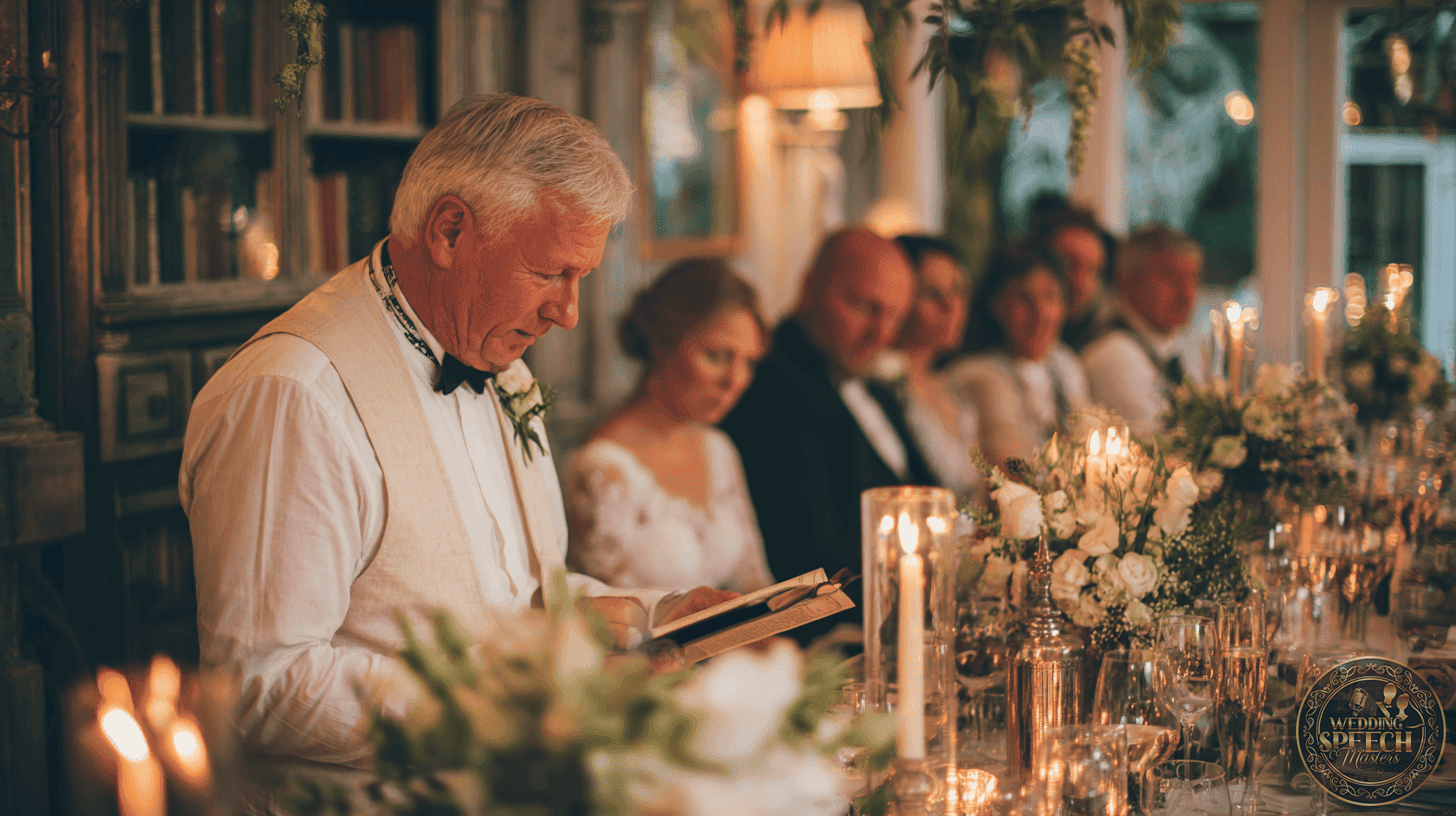
A meal blessing is a short pause before the food, giving thanks and sharing good wishes. It is a simple tradition, and it helps guests settle in as dinner begins.
The articles above cover its background, preparation, a template and finished examples. This page gives a quick guide to using them. For other words of prayer, see the wedding prayers collection.
Understanding the tradition
If the custom is new to you, this introduction explains where meal blessings come from and why they remain popular. It helps you decide the tone for your event.
Writing the blessing
For drafting, there is a standard template and a guide to crafting a meaningful blessing. Together they give structure and ideas for personal touches.
Looking at examples
Reading samples makes the form clear. The examples of meal blessings show religious and secular options. Borrow the shape and use your own words.
Getting ready to speak
Nerves are normal even for a short blessing. This preparation guide covers timing, microphones and keeping the moment calm, so the food stays warm and the room stays relaxed.
Parts of a meal blessing
Most are short and follow this pattern.
| Part | What it does |
|---|---|
| Gathering line | Invites guests to pause |
| Thanks for the food | Acknowledges the meal and those who prepared it |
| Thanks for company | Honors family and friends present |
| Wish for the couple | Adds a brief good wish |
| Closing line | Signals that the meal may begin |
Steps to prepare your blessing
- Confirm timing with the caterer or planner.
- Ask the couple about faith language.
- Pick a short structure from the template.
- Add one personal detail.
- Read it aloud and time it.
- Check the microphone before guests sit.
Good to know
- Thirty seconds to a minute is typical.
- Invite guests to stand or stay seated, and say which.
- Mention dietary needs gently if relevant.
- Secular wording is fully welcome.
- Tell the kitchen when you will start.
Meal blessing questions
How long is a meal blessing?
Usually thirty seconds to a minute.
Does it need to be religious?
No. Many are simple words of thanks and good wishes.
Who usually says it?
A parent, officiant, elder or friend chosen by the couple.
When should it happen?
Right before the food is served, once guests are seated and quiet.
Subscribe to Our Newsletter